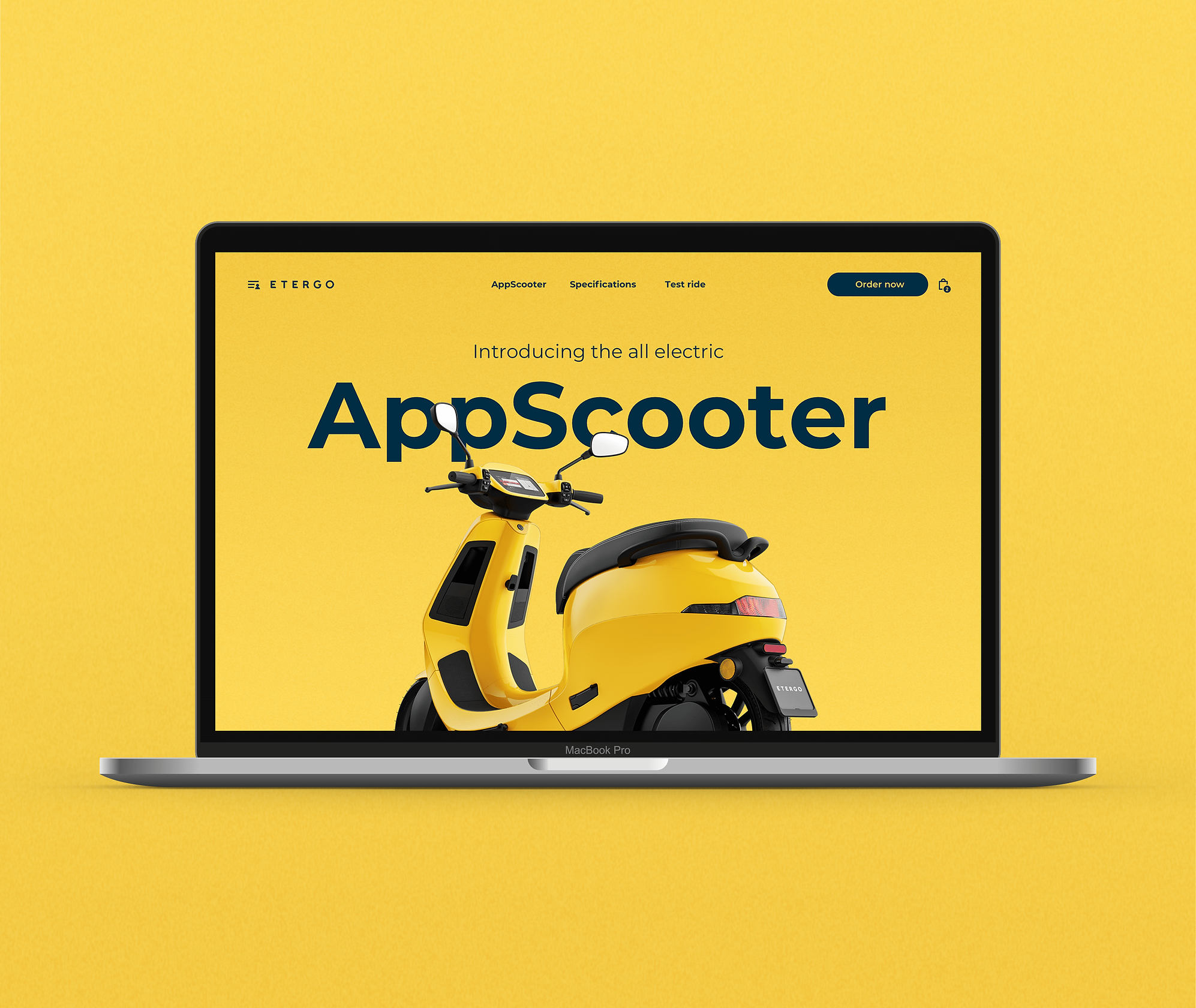
Etergo
Raising €30M for an electric scooter nobody had seen on the road yet, then keeping 2,000 pre-order customers from walking away.
Raising €30M for an electric scooter nobody had seen on the road yet, then keeping 2,000 pre-order customers from walking away.
Etergo was a Dutch startup building the AppScooter, a connected electric scooter with a removable battery and a range that could match most city commutes. The hardware was real. The production line was not yet. In 2019, we had pre-orders, a growing waitlist, and an ambitious goal: raise €30M from the public through our own investment platform.
I joined as a product designer at a moment when the company needed to convert belief into money, and then convert money into patience. Two very different problems that both came down to the same thing: trust.
We wanted to raise €30M through a public equity crowdfunding campaign on our own platform. Not a Kickstarter, not a Seedrs campaign. Our own site, our own flow, our own risk. The upside was full ownership of the experience. The challenge was that we had to build investor confidence from scratch, without a factory anyone could visit yet.
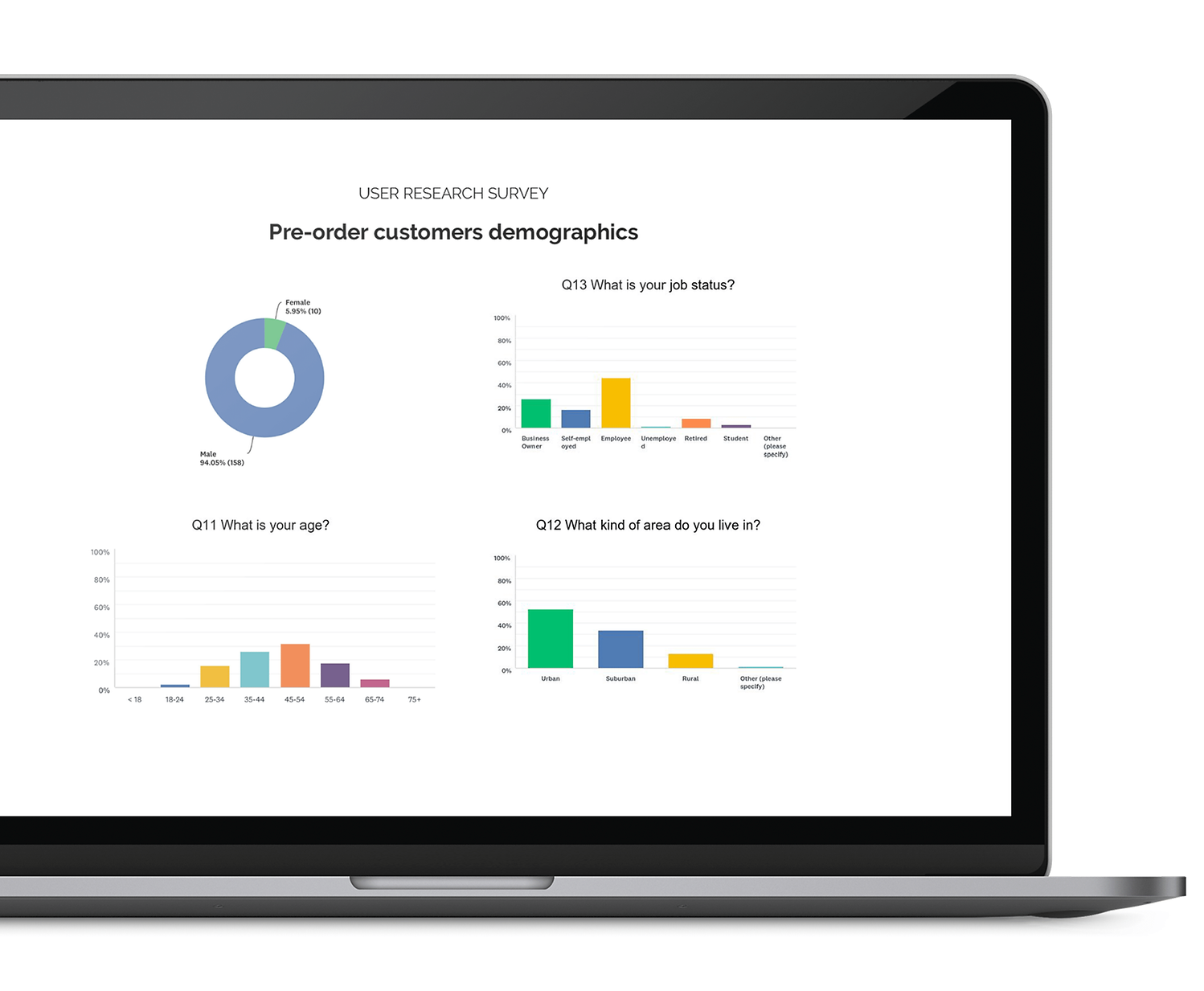
Before designing anything, I ran a survey to understand who was actually interested in investing, and what was holding them back.
The survey revealed something we hadn't fully expected: the people interested in investing and the people who had already pre-ordered were two distinct mindsets. Pre-order customers were early adopters excited about the product. Prospective investors were more cautious, more financially literate, and asking harder questions: Where is the factory? When does production start? Who else has invested?
The funnel we inherited tried to serve both. It served neither well. The investment flow felt like a product page. The product page felt like a sales pitch. We needed to separate the two, and give investors the substance they were looking for rather than the enthusiasm we were feeling.
We ran two focused A/B tests on the highest drop-off points in the investment flow. Both tests were small changes with measurable effects. The second one taught us something we hadn't expected.
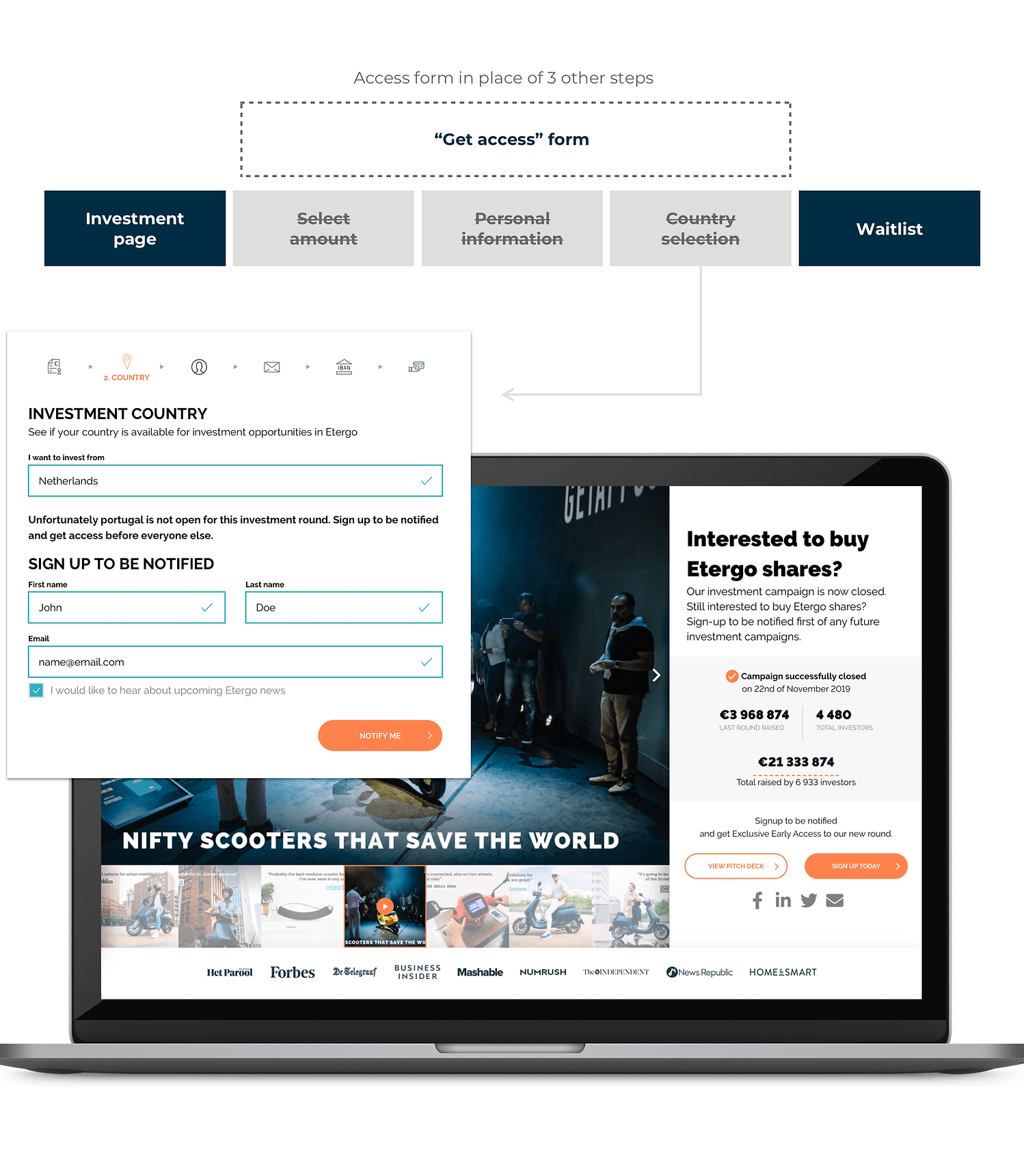
Investors were dropping off at the final step, right before completing their investment. They were browsing options, not committing yet, and then leaving without a trace. We moved the personal information step to the very beginning of the flow and reframed it as a "get access" form. Instead of asking for details at the point of payment, we asked upfront. This way we captured every potential investor early, giving us the ability to follow up with anyone who didn't complete.
Drop-off reduced 2%. €600k in investor calls generated.
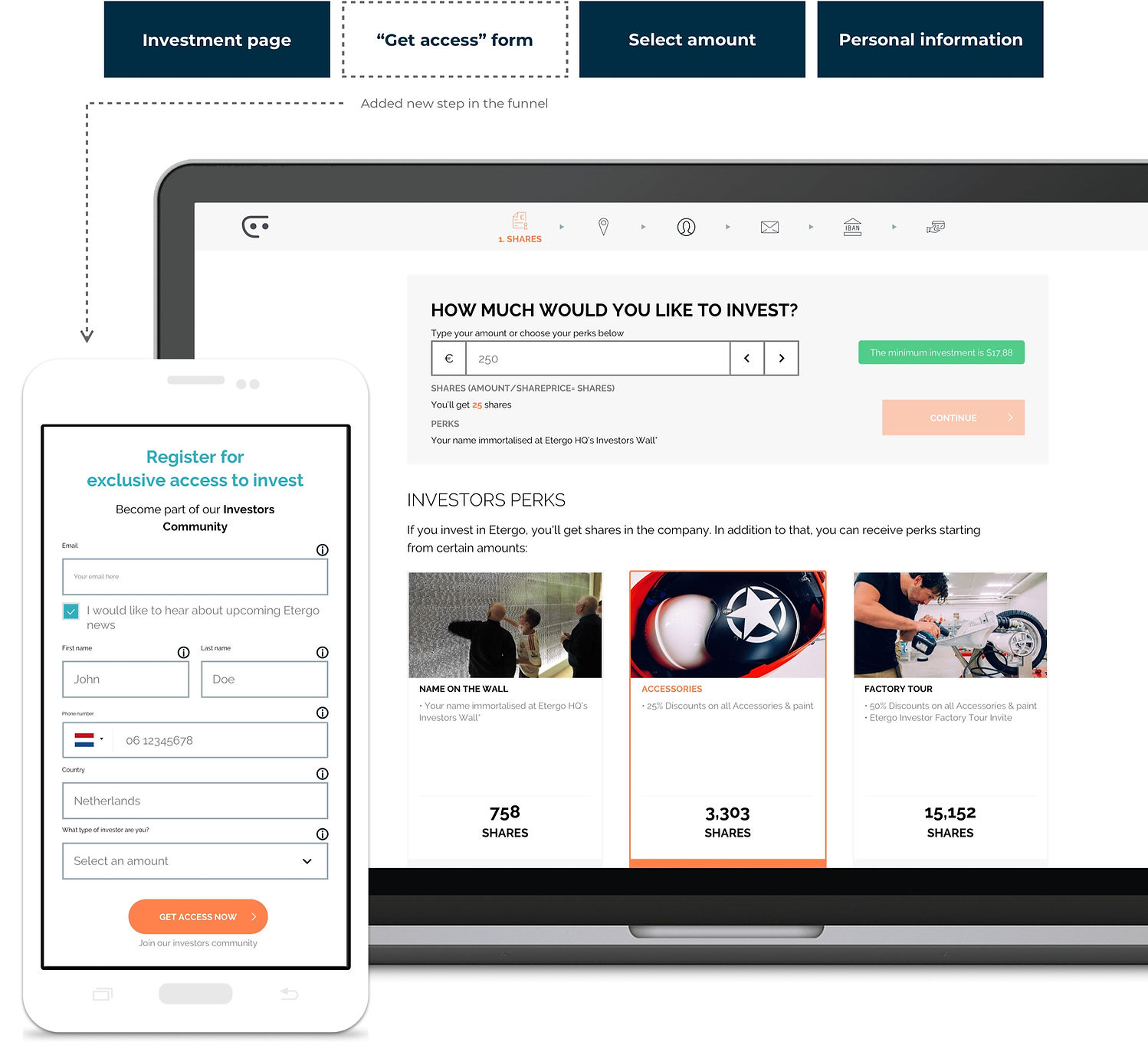
Some countries were not eligible to invest due to regulations. The original flow only revealed this at the end: investors would fill in their details, choose an amount, and then hit a dead end when their country was rejected. Deeply frustrating, and a silent source of drop-off we hadn't seen coming. We moved country selection to the start of the "get access" form. Ineligible investors were caught early, and we could still capture their details for future outreach if regulations changed.
By capturing country-restricted investors early, we were able to reach out directly to the high-intent ones, including several willing to invest over €100k, and convert them through personal calls.
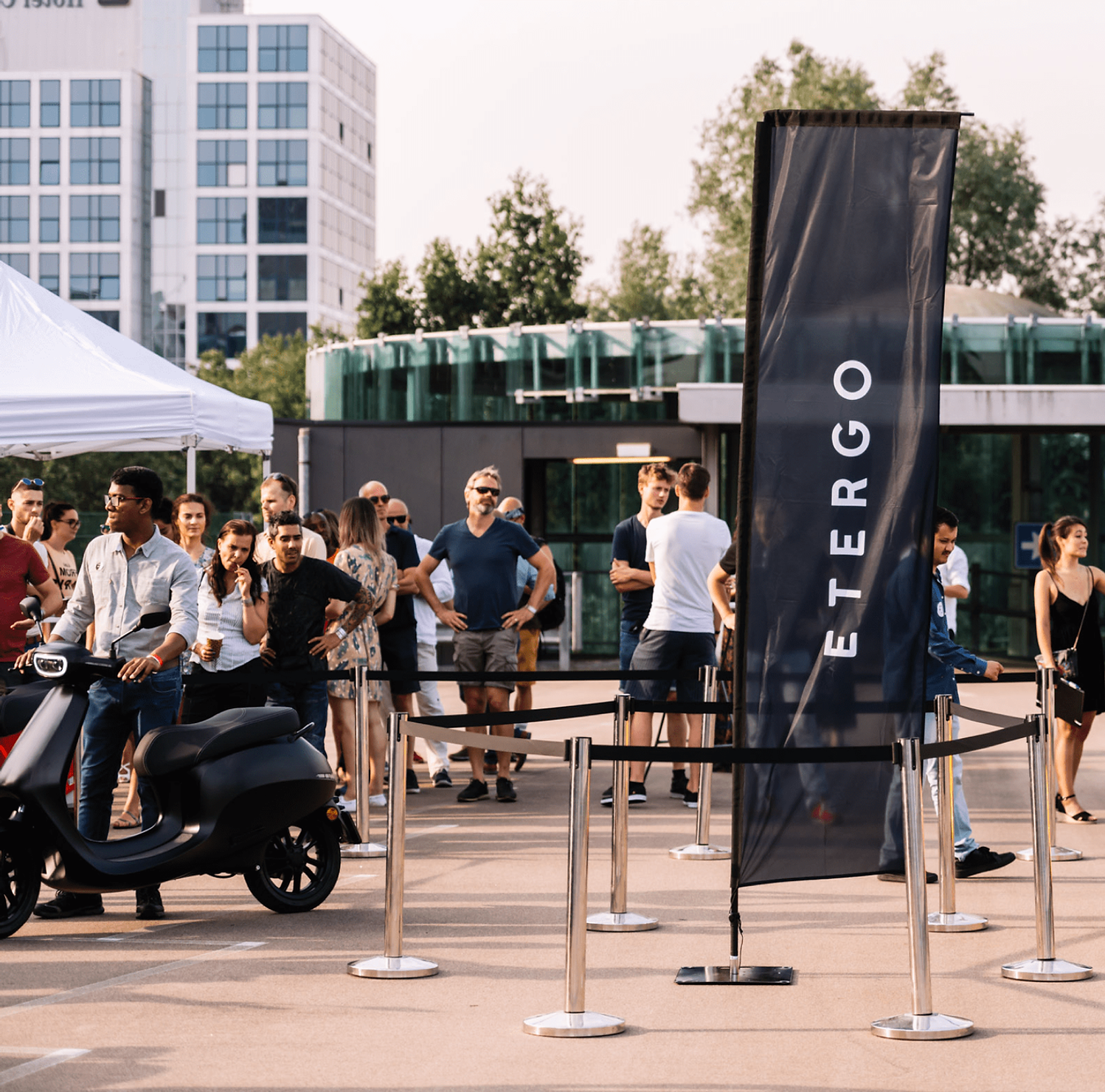
In the final two months of the campaign, we supplemented the online flow with in-person investor events. People could see the scooter, meet the team, and ask questions directly. The combination of digital and physical trust accelerated results significantly.
3.3% of the total €30M goal came in during those final two months. Not because the product changed, but because people could see who they were betting on.
When you ask people for money, the product is trust. And trust isn't designed, it's earned.
We reached 13% of our goal. Not because people didn't believe in the AppScooter, but because they couldn't see the factory. Production transparency was the missing link, and it wasn't something we could design around.
While the investment campaign was running, a quieter problem was getting louder. Thousands of people had pre-ordered an AppScooter. They had paid a deposit, they had told their friends, and now they were waiting. The expected delivery window kept shifting. They had no place to check their order status, no document proving their purchase, and no way to know if they were still in the queue.
Our support inbox was the only interface they had. It was receiving 150 emails a month.
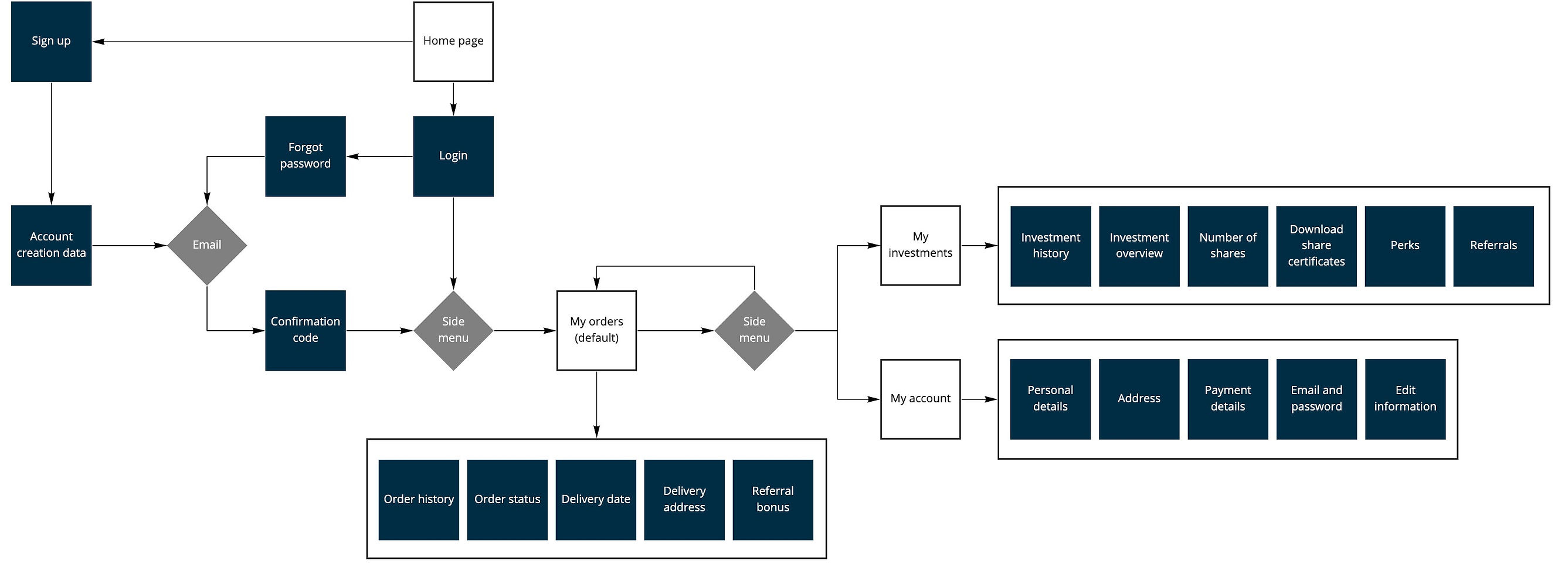
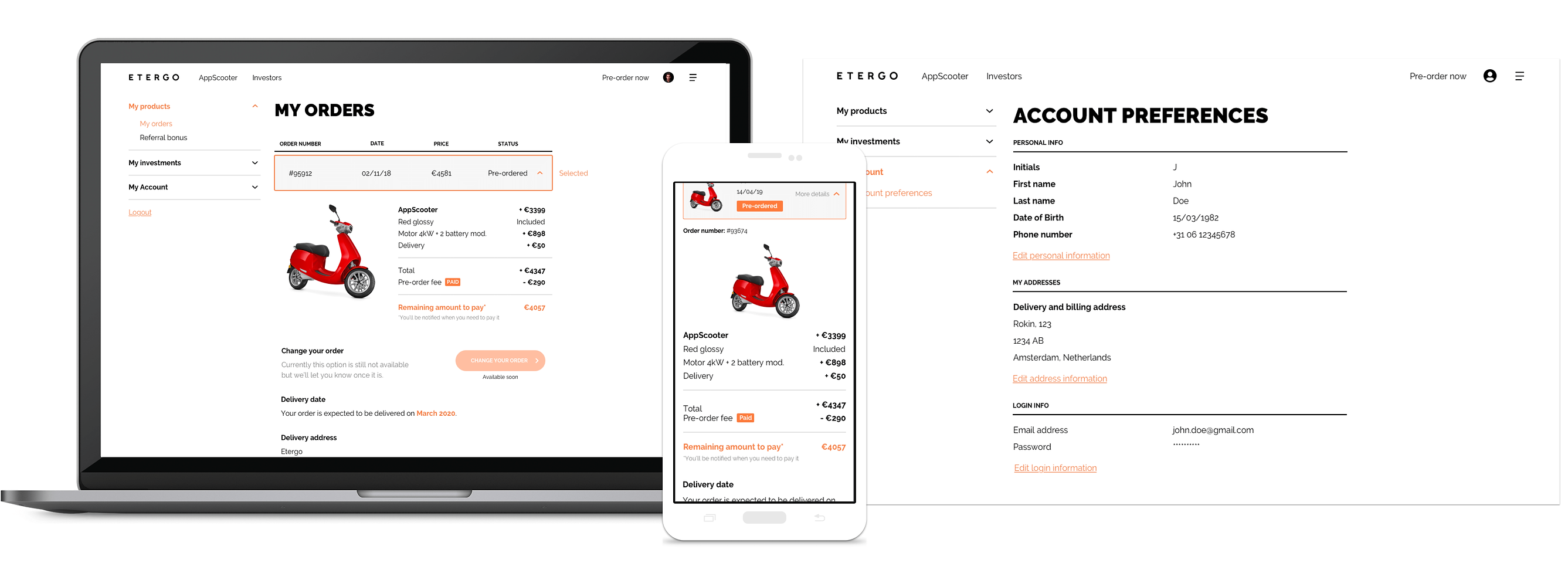
The account was minimal by design. No dashboard clutter, no gamification. Just the information someone who had given us money actually needed: where their order was, when to expect it, and proof that their purchase was real.
A clear timeline showing where the customer was in the production queue, with honest messaging around the delivery window rather than a fixed date we couldn't guarantee.
Investors who participated in the crowdfunding campaign could download their official share certificate directly from their account, removing a major support burden and a source of anxiety.
Instead of a fixed date, we showed a delivery window with an explanation of what could affect it. Honest framing built more trust than a precise promise we couldn't keep.
Customers could review the scooter configuration they had ordered and confirm it was still correct, closing the loop on a common source of uncertainty before delivery.
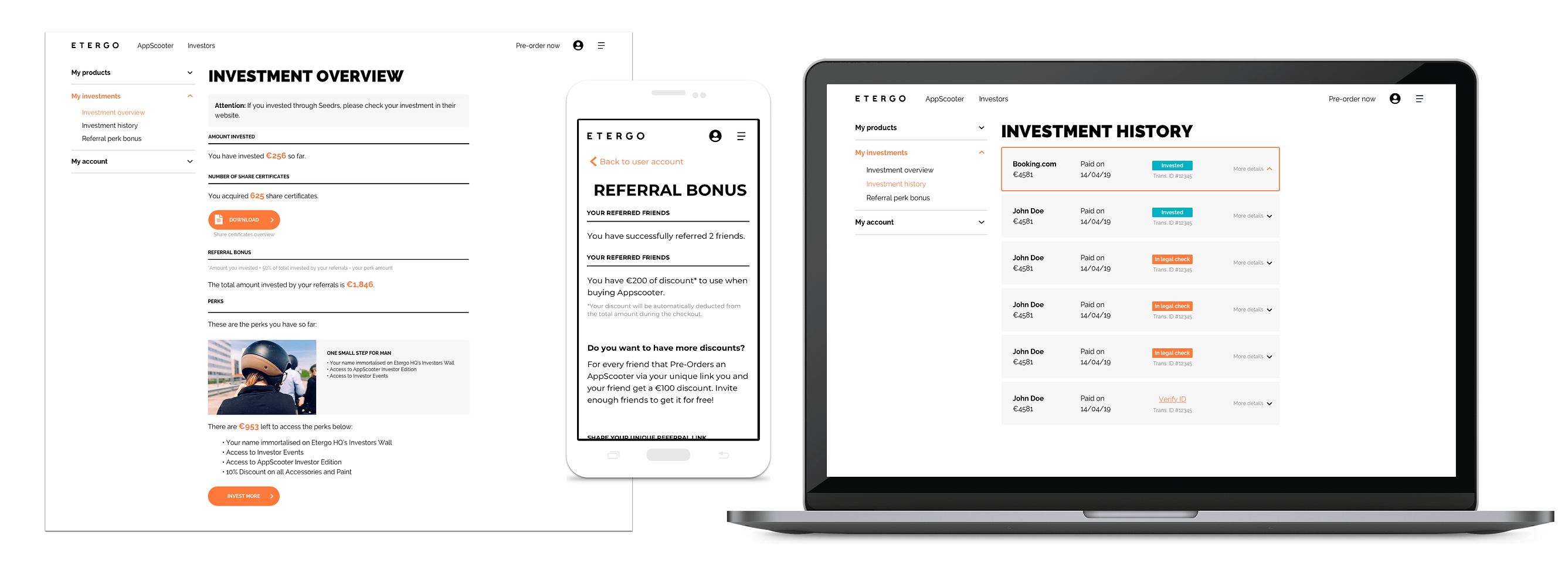
"People don't email when they're happy. They email when they feel out of control. Giving customers a place to check on their own terms turned a support problem into a retention tool. The same week we launched, pre-orders doubled because of the referral bonus. We never expected that."
Support emails dropped from 150 to 40 per month. Not by improving support. By removing the need for it.
The account was not a complex product. It was a simple acknowledgement that customers deserved to know what was happening with their money.
The investment campaign and the user account were different problems with the same root cause: people needed more certainty than we were giving them. The campaign taught me that no amount of conversion optimisation can substitute for the core thing a user needs to believe. The account taught me that reducing friction for existing customers is often more valuable than acquiring new ones.
Etergo was acquired by Ola Electric in 2020. The AppScooter never reached full production in the Netherlands, but continued in India after the local office closed.